Ayurveda - the science of life and longevity
The foundations of Ayurveda come from ancient India, from the observation and investigation of being, existence and truth.
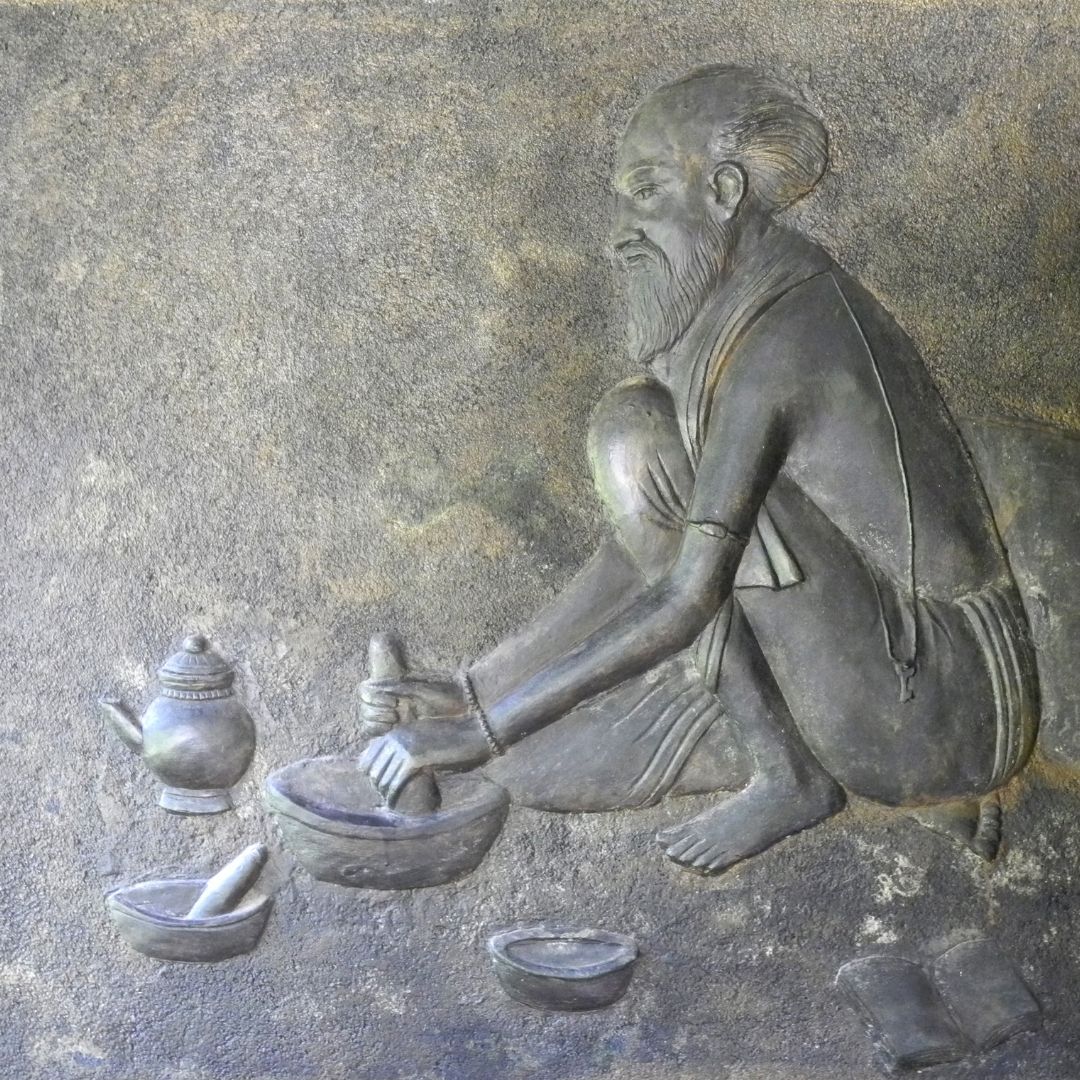 Common knowledge spread among students by listening to spiritual wisdom from enlightened masters. The first comprehensive knowledge of Ayurveda was preserved in the Vedas, while the Rigveda is the oldest preserved writing. She described some medicinal plants that were used for medicinal purposes in India. Later it was the Atharva Veda, from which Ayurveda was formed into a complex healing science and began to be properly taught in schools. Enthusiasts from different countries of the world were interested in studying Ayurvedic medicine or surgery, which were two directions at the time, and after completing their studies, they took valuable information back to where they came from. Ayurveda was constantly enriched and deepened by the practice itself and the acquisition of further experience by the masters and their students. In such a way, it naturally integrated the knowledge of Ayurveda into other health care systems, including Western medicine. Even the division of modern medicine into medical branches is inspired by her knowledge. In Ayurveda, eight fields were set aside - internal medicine, otorhinolaryngology, toxicology, surgery, psychiatry, pediatrics, reproductive system with gynecology and finally revitalization or rejuvenation, which are still studied in India today, while the entire study takes several years and includes the study of modern medicine.
For a time, the promotion of Western medicine dampened the development and spread of Ayurveda
Among the important milestones in the history of Ayurveda, which significantly influenced its development and spread, were several violent invasions of India. These caused it to be constantly pushed back by the promotion of Western medicine, which culminated during British rule. The government policy of the British destroyed and burnt many valuable books and textbooks of Ayurveda, which were a full-fledged source of knowledge. Even the last existing Ayurvedic universities were closed. It was revived only in the 1920s, when the Indian government began to finance the system of Ayurvedic education in schools. Consistent recording and dissemination of knowledge has made Ayurveda a globally recognized medical system, which has also been recognized by the World Health Organization since 1982.
Principle of Ayurveda
Ayurveda is based on the principle that the entire universe and the human body are one and both are governed by the same principles and laws. Even their composition consists of the same elements that have certain specific properties.
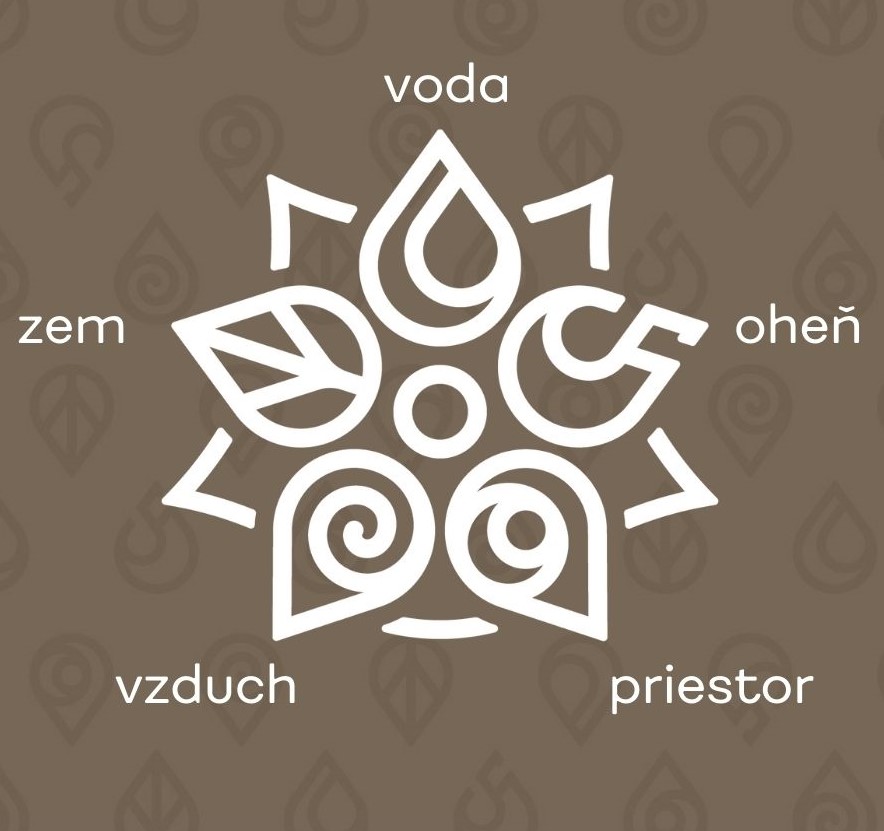
It is an element of space, air, water, fire and earth, which are present all around us, but always in different representation. As an example, we can imagine a mountain that is predominantly composed of the earth element, which is dominant. However, the mountain also includes other elements, without which it would never have been created and would not stand in its place.
It is the same in our human body, in which the proportional representation of these five elements has formed into three doshas - Vata (consisting of space and air), Pitta (consisting of fire and water) and Kapha (consisting of water and earth). Each dosha has a specific function and place in the human body, and as long as all three are balanced with each other, it is a prerequisite for our body to function properly on a physical, mental and emotional level. Thanks to the unique proportion of doshas, which is different in every human organism, it is possible to characterize the type of person or the overall "energetic" nature of a certain body. Such a characteristic is called constitutional type or individual constitution, which was given to us at our conception. This means that this distribution, in which one or two doshas may predominate, is absolutely natural to us and creates a balance or harmony in our body that brings health.
With the passage of time, periodic changes occur in the universe as well as in the human body. To overcome these changes, the most natural substances for the human body are substances of natural origin that help maintain the internal balance of all bodily functions, including emotions and the immaterial self. The state of our organism, our organs, the state of our thoughts, our feelings and perceptions are thus related to the natural cycles and rhythms of nature; with the society we live in; family and work relationships and of course also with our lifestyle – diet, movement and our daily routine. Ayurveda looks at all these things that directly affect our lives both comprehensively and individually, because everything is related to everything.
According to Ayurveda, health is the arrangement of energies, elements, rhythm of life. Illness is chaos, disorder. The organism can deal with a short-term or accidental deviation of an individual dosha, with a long-term influence, an imbalance occurs, which manifests itself as a disease over time. According to Ayurveda, every unwanted manifestation has its own individual cause, which can be professionally diagnosed and treated by an Ayurvedic doctor. The reasons can be different, on a physical level, e.g. irregular eating, replacing food with cookies, one-sided, not varied diet, lack of exercise or too high physical load, stereotyped movements, etc. On a psychological level, chronic dissatisfaction, stress, overwork, bad interpersonal relationships in the family or at the workplace, etc.
The first most important step we can take is to start cleaning our bodies and our minds. On a physical level, it is necessary to get rid of excess, harmful substances that settle in our body like sludge in an aquarium. Diet, exercise, massages, saunas are used for this. At the mental level, it is necessary to reevaluate habits, bad habits, settle relationships, distinguish between what is important and what are trifles. With the help of lifestyle modification, food supplements and Ayurvedic therapies, order and regularity will be introduced into life, deviated doshas will return to their place and the natural regenerative capacity of our organism will be started.